
Why Recreational Youth Sports Matter More Than Ever
For many families, youth sports no longer feel simple. What once began with a ball, a neighborhood field, and a group of children ready to play can quickly become tryouts, private lessons, hotel reservations, year-round schedules, and thousands of dollars in expenses. Before long, parents may begin to wonder: If my child is not playing travel sports, are they falling behind? The answer is no.
Travel sports can provide a meaningful experience for children who are ready for that level of competition and commitment. But they are not the only path to development, confidence, or future success. For many young athletes, especially those still discovering what they enjoy, a strong recreational program may be exactly where they belong. At its best, recreational youth sports give children room to learn, compete, make friends, make mistakes, and fall in love with movement. In a youth-sports culture that increasingly asks families to spend more, travel farther, and specialize earlier, that kind of space matters more than ever.
The Price of Play Keeps Rising
The pressure families feel is not imaginary. According to the Aspen Institute's Project Play, the average sports family spent $1,016 on a child's primary sport in 2024, a 46% increase from 2019. Registration fees, travel, lodging, camps, and private instruction are driving much of that increase.
The impact goes beyond the family budget. Project Play also reports that children from households earning at least $100,000 are twice as likely to participate in travel sports as children from households earning less than $50,000.
When access to quality coaching, competition, and facilities depends heavily on what a family can afford, youth sports risk losing something essential: the belief that every child deserves a chance to play.
Recreational programs help protect that opportunity. They keep the door open for beginners, multisport athletes, families with busy schedules, and children who want to participate without making one sport the center of their entire lives. Affordability should never be confused with a lack of value. A lower-cost program can still offer purposeful coaching, skill development, healthy competition, structure, and an experience children remember for years.
Development Is Bigger Than a Roster or Ranking
It is easy to measure youth sports through points, wins, trophies, and team selections. The most important growth, however, often happens where a scoreboard cannot capture it. It happens when a child who was afraid to join the first practice raises a hand to volunteer. It happens when a player learns to encourage a teammate after a mistake. It happens when a young athlete discovers that improvement comes through patience, effort, and returning after a difficult day.
Those moments build more than athletes. They build resilient young people.
A quality recreational program gives children opportunities to develop:
- Fundamental sport skills and physical literacy
- Confidence in trying unfamiliar things
- Teamwork and communication
- Respect for coaches, officials, teammates, and opponents
- Perseverance after mistakes and setbacks
- Friendships with children from across their community
- A healthy, lasting relationship with physical activity
Not every child will play in college. Very few will play professionally. Every child, however, can carry confidence, discipline, empathy, and healthy habits into adulthood. That is not a consolation prize. That is the real promise of youth sports.
Children Need Permission to Explore
Young athletes do not have to choose their lifelong sport before they have finished elementary school. Playing multiple sports can expose children to different movements, coaches, teammates, challenges, and ways of thinking. A soccer player may develop footwork that helps in basketball. A basketball player may build spatial awareness that transfers to flag football. A child who tries several activities may simply discover where they feel most confident and joyful.
Recreational leagues make that exploration possible. Shorter seasons and manageable commitments allow children to try something new without feeling as though every decision determines their athletic future. That freedom also gives families a healthier perspective. Instead of asking, “How quickly can my child move to the next level?” we can ask better questions:
- Is my child excited to go to practice?
- Is my child learning and improving?
- Does my child feel known and supported?
- Is this experience building confidence?
- Does our family still have room for school, church, rest, friendships, and time together?
Those questions tell us far more about a child's development than a ranking ever could.
Fun Is Not the Opposite of Competition
Sometimes “recreational” is treated as another word for unimportant. That misunderstands what healthy competition should accomplish. Children can compete hard, learn strategy, pursue excellence, and want to win while still enjoying the experience. Fun does not mean removing standards or avoiding challenges. It means creating an environment in which effort is celebrated, mistakes become teaching opportunities, and a child's value never depends on the final score.
In fact, enjoyment is one of the strongest reasons children continue playing long enough to improve. When pressure overwhelms enjoyment, children may leave sports before they ever discover what they could become. The goal should not be to make every game easy. The goal should be to make every child feel that growth is possible.
The Best League Is the One That Fits Your Child
There is no single correct sports journey for every family. Some children thrive in highly competitive travel environments. Others need more time, less pressure, or the freedom to participate in multiple activities. Some are motivated by competition. Others first need belonging before confidence can grow. Parents should feel free to choose the environment that serves the child they have, not the athlete someone else says that child must become.
Before selecting a program, consider asking:
- What does my child want from this season? Their answer may be different from yours, and that is worth hearing.
- Will my child receive meaningful instruction and opportunities to participate? Development requires more than being present on a roster.
- Does the program's culture match our family's values? Pay attention to how coaches speak, how adults respond to mistakes, and whether every player is treated with dignity.
- Is the commitment sustainable? A program should fit the family's finances, transportation, school responsibilities, and need for rest.
- Will this experience help my child want to keep moving? A lifelong love of activity is a powerful measure of success.
Choosing recreational sports does not mean closing the door on future opportunities. It means meeting children where they are and giving them a foundation from which their next step can grow.
Why Community-Based Sports Still Matter
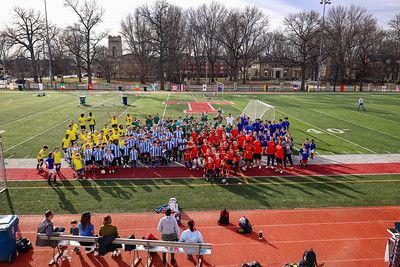
Community recreation offers something even the most polished tournament cannot guarantee: roots. Children play alongside classmates, neighbors, and new friends. Parents meet other families. Coaches become trusted adults. People from different backgrounds share the same sideline and begin to know one another. That sense of connection is especially important today. Children need places where they can move their bodies, build relationships, experience encouragement, and know they belong before they have accomplished anything.
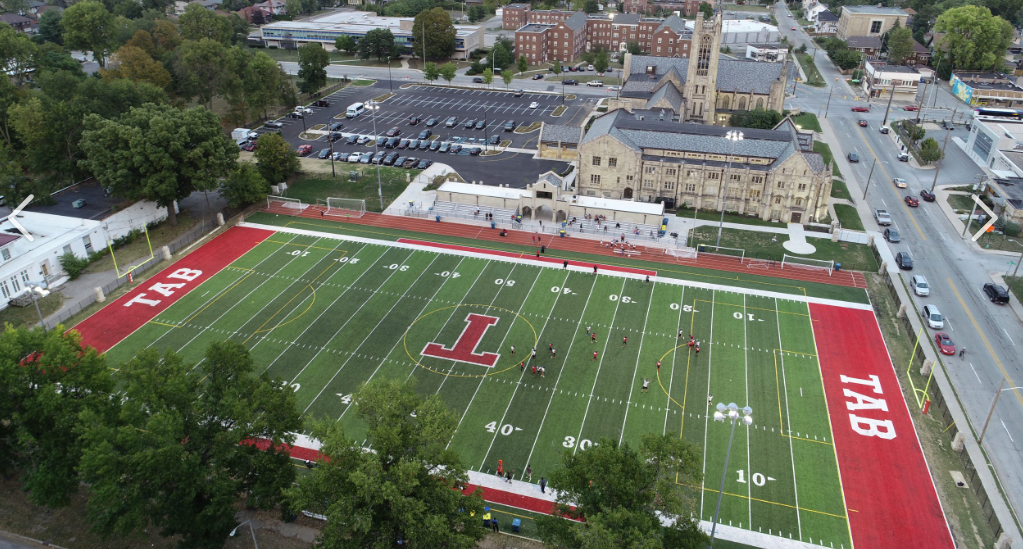
At Tab Recreation, we believe sports can help create that kind of community. Our mission is not simply to organize games. We are a Christ-centered community that prioritizes belonging and movement through inclusive recreational programming that develops character, confidence, and connection.
That means the child trying a sport for the first time matters. The experienced player looking for another opportunity to grow matters. The family facing financial hardship matters. The volunteer coach willing to invest in young people matters. The relationships formed during a season matter. Winning has a place in sports, but it should never become the price of belonging.
A Better Question for Youth Sports
Instead of asking whether recreational sports are “enough,” perhaps we should ask what we want youth sports to accomplish. If we want children to build confidence, learn teamwork, develop skills, make friends, become more active, and discover the courage to keep trying, recreational sports are not a lesser version of the experience. They are one of its most important foundations.
Your child does not need the most expensive uniform, the busiest schedule, or the longest tournament résumé to have a meaningful sports journey. Your child needs caring adults, appropriate challenges, room to grow, and a community that sees more than athletic ability.
Sometimes the best next step is not farther away or more expensive. Sometimes it is a nearby field, a welcoming team, and the chance to play.
Find Your Place at Tab Recreation
Tab Recreation offers youth sports and enrichment programs designed to help children move, belong, and grow. Whether your child is stepping onto the field for the first time or looking for a new challenge, there is a place to begin.
Explore our current programs, registration opportunities, and volunteer coaching options at tabrecreation.org.
Because every child deserves more than a place on a roster. Every child deserves a place to belong.
Recent Posts